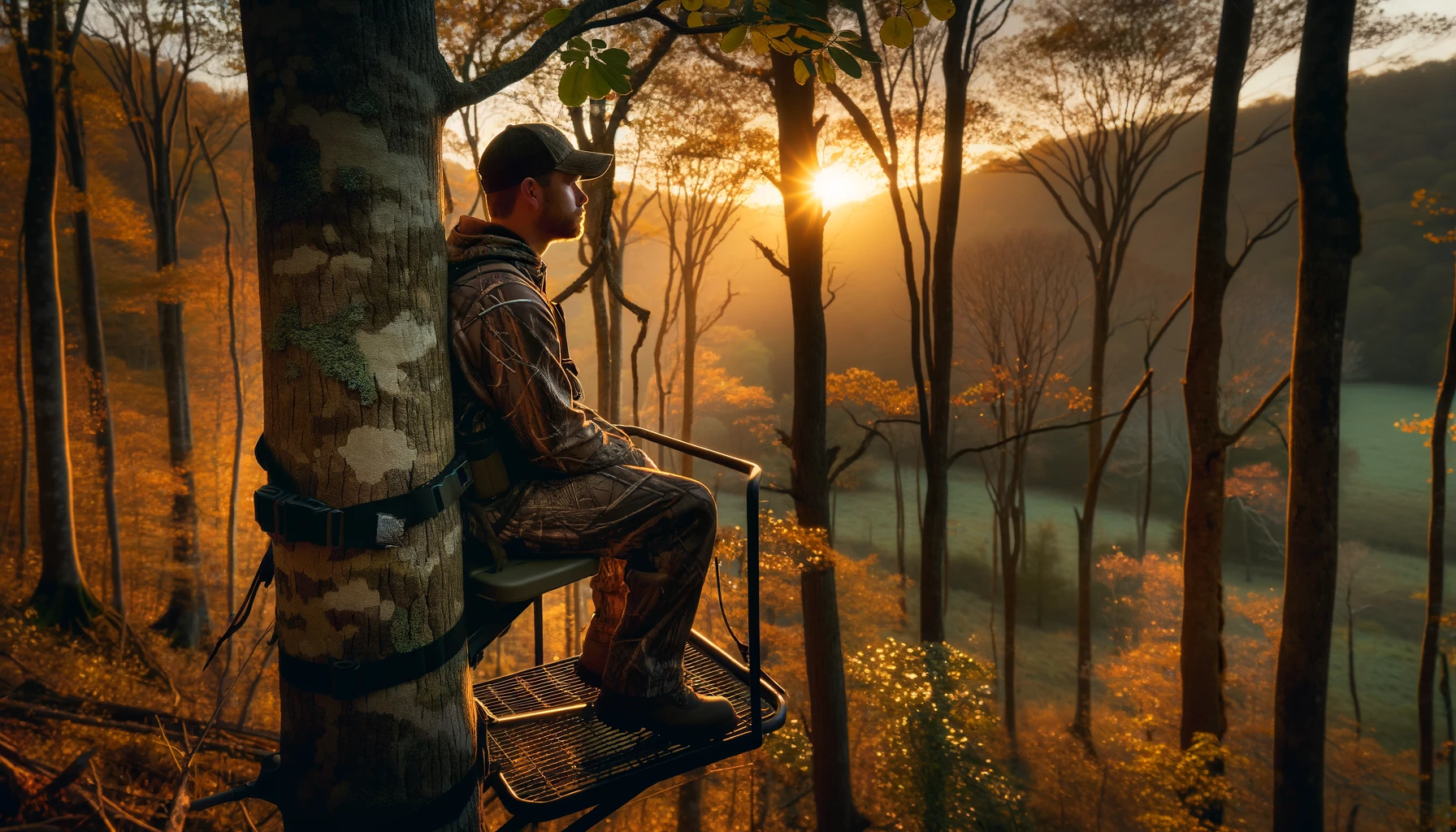
Hunting is one of the ways Land Between the Lakes manages wildlife. A good trip starts with the current species fact sheet: it tells you when and where you may hunt, which permit applies, and what has changed since last season.
LBL stretches between Kentucky Lake and Lake Barkley, but its hunting areas are not a blank canvas. Choose your state side, check the official hunt-area map and closures, and work backward from the season dates before planning lodging or a campsite.
Wildlife in LBL
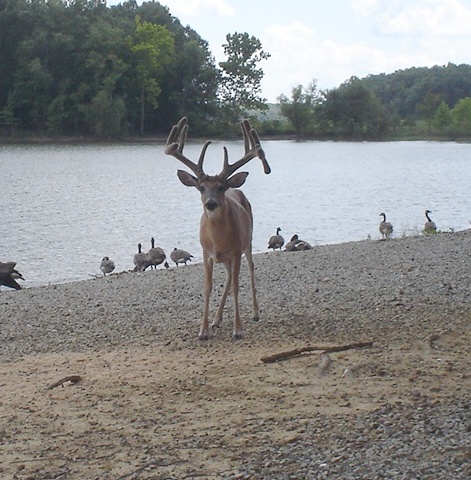
White-tail deer, wild turkey, squirrels, and other forest game species are abundant throughout LBL. Land Between the Lakes offers annual spring quota and non- quota hunts for turkeys with fall archery and quota gun hunts for deer. Additionally, hunters can also enjoy a variety of camping choices, from the convenience of our developed campgrounds to the rustic adventure of camping Land Between the Lakes back-country. Hunters age 16 and older must carry a Land Between the Lakes Hunter Use Permit and the applicable state licenses.
Important Things to Remember when Hunting in the Land Between the Lakes
- Licenses and Permits: Hunters must possess appropriate state hunting licenses for Kentucky or Tennessee, depending on where they are in LBL. Hunters age 16 and older also need an LBL Hunter Use Permit. Review our permit guide and confirm purchase options on the official LBL website.
- Seasons and Species: Hunting seasons for various species such as deer, turkey, small game, and waterfowl are established in alignment with state regulations. Hunters should refer to the current LBL Hunting Guide and state wildlife agency resources for specific dates and regulations.
- Hunt Areas and Closures: Areas are assigned for quota deer hunts. Wildlife refuges, Nature Watch Areas, facility safety zones, and certain trails are closed to hunting. Use the current official hunt-area and recreation maps before entering the field.
- Weapon Restrictions: Regulations on the types of weapons that can be used for hunting (such as firearms, bows, or crossbows) are in place. These regulations may vary depending on the season and the game being hunted.
- Bag Limits: There are specific bag limits for each species, which align with state regulations. These limits are enforced to maintain healthy wildlife populations.
- Safety Requirements: For safety, hunters may be required to wear blaze orange during certain seasons. Additionally, hunters should be aware of other recreational users in the area and maintain safe hunting practices.
- Ethical Hunting Practices: Hunters are expected to follow ethical hunting practices, including fair chase principles, proper handling and tagging of game, and respecting private property boundaries.
- Camping and Accommodations: For a multi-day hunt, compare developed campgrounds and backcountry options, then check the current camping rules, permit requirements, and any area closures before choosing a site.
- Harvest Reporting: Follow the current harvest-reporting requirements for the state section of LBL where you hunt and any additional quota-hunt instructions.
- Youth Hunting: Special youth hunting opportunities are available, often with specific dates and regulations to encourage young hunters to learn and participate in a controlled and safe environment.
Stay Informed
Review the current official LBL hunting fact sheets and the applicable state regulations each season. Continue with the LBL Guide pages for permits and regulations, or return to the main Hunting hub.