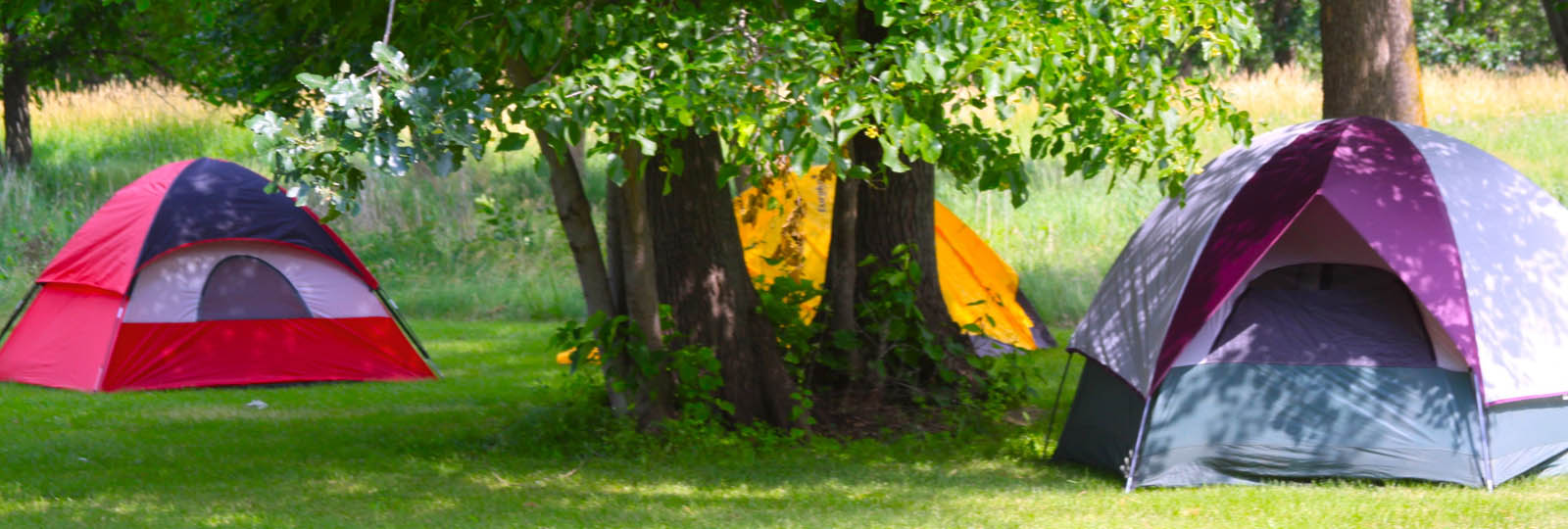
Camping at Land Between the Lakes ranges from large developed campgrounds to a quiet self-service site or a legal backcountry camp. Choose the part of LBL first, then the level of facilities. A lakefront site is not a bargain if every planned stop is an hour away.
Compare the main camping choices
| Choice | Season / reservation | Setting and facilities | Best for |
|---|---|---|---|
| Hillman Ferry | Generally March–November; developed-campground reservations | Large north-end campground with varied utility levels, cabins, beach, ramps and bathhouses | Families, Grand Rivers and northern LBL |
| Piney | Generally March–November; developed-campground reservations | Large southern Kentucky Lake campground with varied sites, cabins, beach and boat access | Homeplace, Fort Henry trails, Dover and boaters |
| Energy Lake | Generally March–November; developed-campground reservations | Smaller inland-lake campground with 35 sites and 13 primitive cabins | Quieter family stays, paddling and central/eastern LBL |
| Wranglers | Year-round; developed-campground reservations | Equestrian campground with horse trails, stalls and rider-oriented facilities | Horse and wagon travelers |
| Self-service campgrounds | First come, first served; verify current permit/rules | Designated pads, picnic tables, grills, fire rings, vault toilets, trash pickup and lake access | More solitude without fully dispersed camping |
| Basic or dispersed camping | Permit required for adults; no developed-campground reservation | Few or no services; location and setback rules apply | Experienced campers prepared to be self-sufficient |
Which campground should you choose?
Choose Hillman Ferry
when Grand Rivers, Canal Loop and the northern entrance are central to the trip. Study the campground map because shoreline, utilities and bathhouse access vary by loop.
Choose Piney
when the Homeplace, Fort Henry routes or the Tennessee side matter most. It avoids turning every southern outing into a drive from the north gate.
Choose Energy Lake
for a smaller developed setting close to central attractions and Lake Barkley country. Confirm the exact site or cabin rather than relying on a campground-wide amenity list.
Choose Wranglers
when horses shape the trip. Non-equestrian travelers will usually find a better match elsewhere.
Reserve the site—not merely the campground
Within one campground, hookups, shade, shoreline, accessible features, vehicle length and distance to bathhouses can differ sharply. Open the official campground map and reservation listing together. Confirm the equipment length, electrical service, pet rules, cabin linens and trailer arrangements for the exact site.
Official accessibility information currently identifies accessible campsites and toilet/shower buildings in all four developed campgrounds, but the number and position differ. Call ahead when a particular feature is essential.
Know which permit applies
Developed campgrounds, self-service areas and dispersed/backcountry camping do not use one interchangeable rule. The Forest Service lists eleven self-service campgrounds and five designated basic camping facilities, while dispersed camping is allowed only outside excluded areas and required setbacks. Buy the correct permit and carry it as directed. Rates and rules can change, so use the official reservation and camping pages rather than an old price quoted in a blog post.
What to reserve first
- Choose north, central or south LBL.
- Choose developed, equestrian, self-service or backcountry camping.
- Confirm the site’s utilities, dimensions and access.
- Reserve early for peak weekends, cabins, accessible sites or specific shoreline needs.
- Download the campground and visitor maps before arrival.
If camping is not the right fit, compare cabins, resorts and hotels near LBL. First-time visitors should also read the First Visit guide before choosing a base.